"WELCOME TO THE DEATH CAFE"
/
“We’re all going to die, so why not die well?”
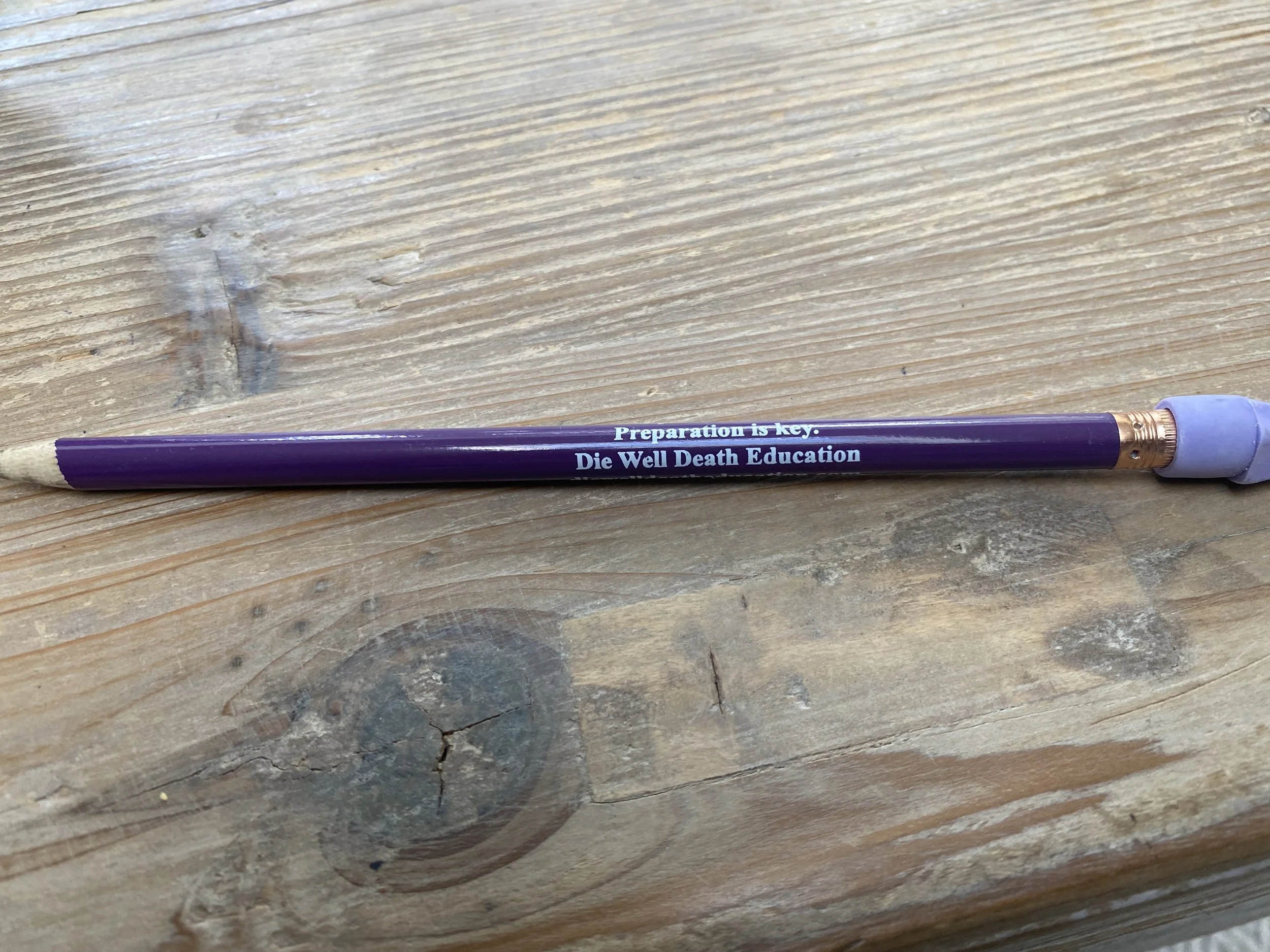
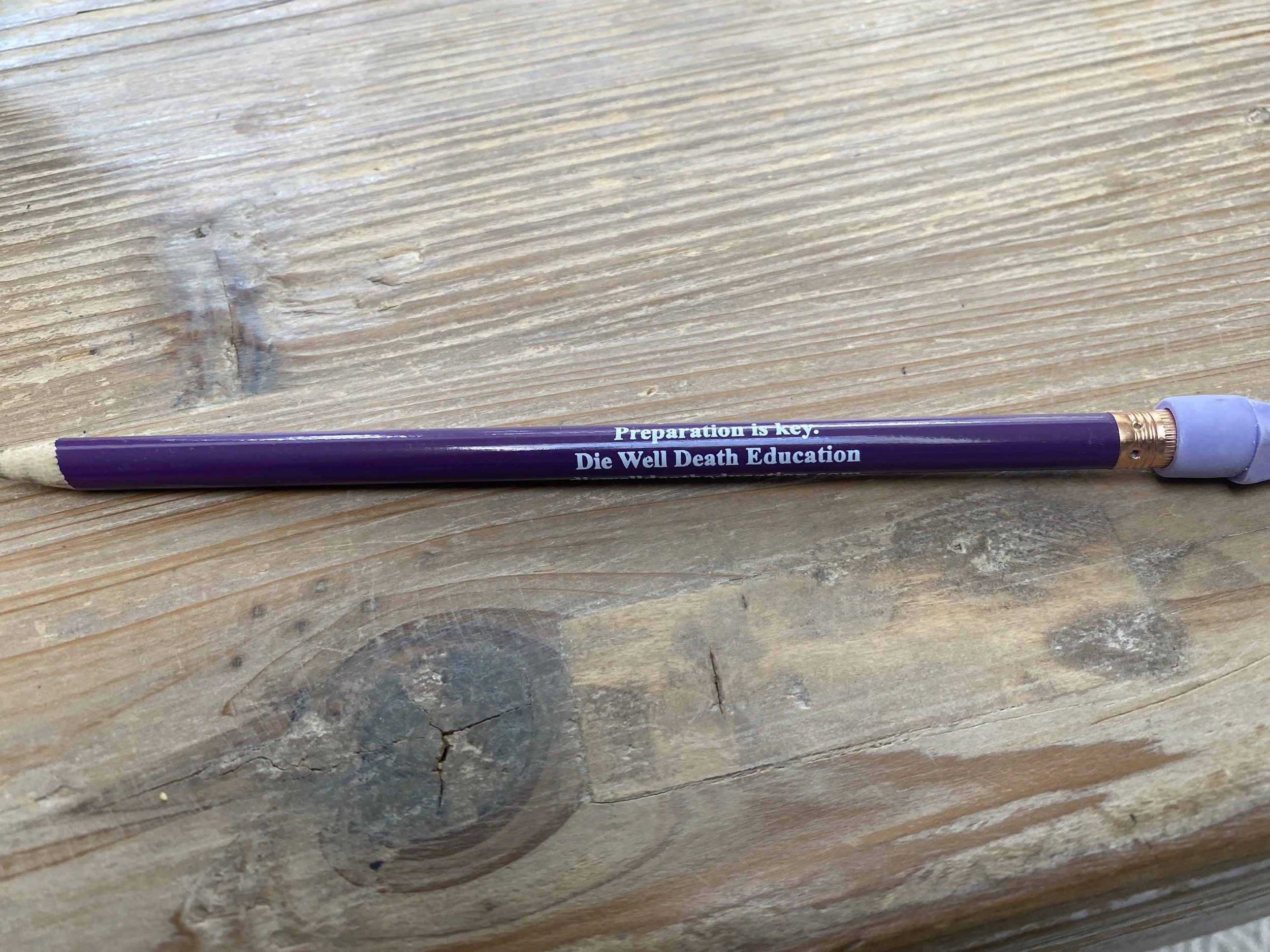
With those words, a woman named Leona introduced herself to a group of 25 people sitting in a circle in a private room at the York (Maine) Public Library. Leona described herself as a “death doula” and organizer of Death Cafes across Maine for those who hope to increase their awareness, preparation and acceptance for what definitely —but who knows when — lies ahead. We were offered pencils and pads of paper to take notes.
“I’m going to pass the microphone around our circle and ask each of you to introduce yourselves and, if you’d like, mention why you are here tonight,” Leona said. I was sitting with my two pals Sandy and Betty and, to be honest, we didn’t know what to expect. I had urged them to join me after learning about Death Cafes from another friend who said attending one had been “a life changing experience” for the better.
As I watched the microphone go from one hand to another, I started to grasp that I wasn’t alone in my ignorance. Each participant offered his or her name and some added a brief reason why they were there: “My husband died a year ago and I’m alone and still scared,” and “I don’t know how to prepare my kids for my death.” One couple said, “It’s our date night and we’re just curious,” while another woman said, “I’m equally interested in living well and dying well.” When I introduced myself, I added, “I’m a little afraid of death and don’t know how to deal with that.”
Over the next two hours we covered topics ranging from organizing a list of phone contacts of friends and relatives who should be notified, considering writing an obituary before you actually need one, having password information up-to-date, noting subscriptions (i.e. Netflix, Prime, Starz) and bill pay programs at your bank. “Your kids will love you for this,” Leona said.
“Touch and hearing are your last senses,” Leona pointed out, “so what do you want in the final days of your life — candles? certain music? open windows? Write it down! Give your heirs a blueprint they can work with. Some people want to prepay their funeral. Others wonder if they want to be cremated — and are you aware there are two types of cremation — water and fire. Plus, there are books on Amazon that help with all this — like, SORRY IT’S YOUR PROBLEM NOW BECAUSE I’M DEAD and THINGS YOU SHOULD KNOW BEFORE I GO.”
Amazingly, the atmosphere was not doom and gloom. We laughed a lot while also devouring generous slices of gluten-free Devils Food and Yellow Cakes. (“There’s always cake at these meetings,” Leona said.) Even though we focused on our dreams and fears, our understanding of death and lack thereof, the conversation was often humorous and truly enlightening.

The concept of Death Cafes — a gathering for the purpose of increasing awareness of death, helping people make the most of their finite lives, and expressing thoughts and worries about one’s own life perhaps stirred up by the death of a family member — originated in Switzerland in 2004. The first US event was organized by a hospice worker in 2012 near Columbus, Ohio. Today, there are Death Cafes around the world.
I learned a lot that night and I’m still addressing necessary tasks on my To Do List suggested by Leona. None of this feels morbid. It’s practical and smart. So if you happen to see that a Death Cafe discussion might be happening near you, I believe you’ll find it helpful and rewarding. Betty, Sandy and I sure did.